
 Business Plans
Japan does have a reputation for being eye-wateringly expensive, but due to the yen’s depreciation since 2022, it is now almost 30-40% cheaper for Western visitors. That said, how much does a trip to Japan cost in 2026, though?
We’ll admit - Japan is not a classic “budget destination,” but it does not need to be extremely expensive if you plan it right. You can receive quality accommodation, transport, and food without a luxury budget. Most of it will depend on when you go, where you sleep and how you get between cities. We have done our own research so you can plan all these accordingly.
| Travel Style | Daily Budget (USD) | Daily Budget (JPY) |
| Budget | $55–$90 | ¥8,000–¥14,000 |
| Mid-range | $130–$230 | ¥20,000–¥35,000 |
| Comfort/Luxury | $330–$650+ | ¥50,000–¥100,000+ |
P.S: The figures are for a single person with international flights excluded.
Budget travellers can easily manage the cost of trip to Japan on just $80-$120 per day, with mid-range ranging from $150-$250 per day.
Planning your timing alongside your budget? The best time to visit Japan guide breaks down which months offer the best combination of weather, value, and crowd levels.
How Much Does Accommodation Cost in Japan?
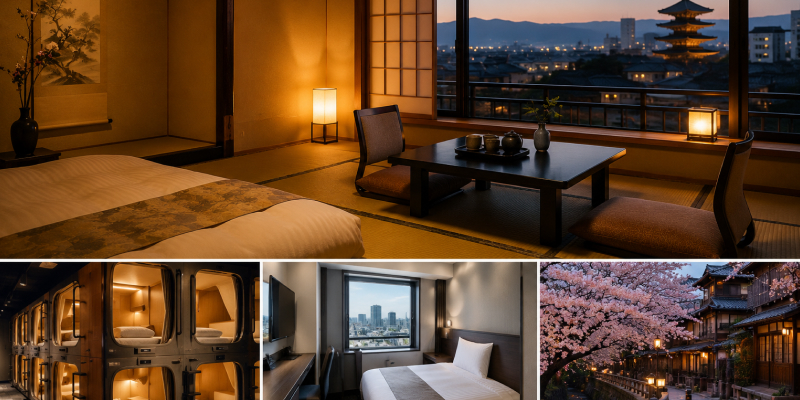
Accommodation is the single biggest line item in most Japan trip budgets and also where your choices make the biggest difference.
Accommodation ranges from ¥3,000–¥5,000 for hostels and capsule hotels, ¥4,000–¥8,000 per person for Airbnb, and ¥6,000–¥12,000 for business hotels. Traditional ryokan can cost ¥15,000–¥40,000, often including dinner and breakfast.
Business Hotel Chain
Japan's business hotel chains like Toyoko Inn, APA Hotel, and Dormy Inn are one of the great underrated travel accommodations globally. Clean, well-located, with private bathrooms and strong Wi-F offer better value than equivalent options in most European cities.
Capsule Hotels
Capsule hotels are worth considering if you're travelling solo, as it offers a small sleeping pod, shared bathrooms, and lockers for luggage, and modern capsule hotels include free Wi-Fi, air conditioning, towels, and basic toiletries.
Cities to Stay
Tokyo and Kyoto are the most expensive cities for accommodation. Cities like Osaka, Hiroshima, and Fukuoka are noticeably cheaper. If your route includes both expensive and cheaper cities, alternating between higher-end accommodation in Osaka and a splurge ryokan in Kyoto is a smart way to manage the overall cost of trip to Japan.
Planning Tips: Cherry blossom season (late March through early April) and Golden Week (late April through early May) are Japan's two highest peak season windows and hotel costs surge 40-80% and flights jump 30-50%.
How Much Does Food Cost in Japan?
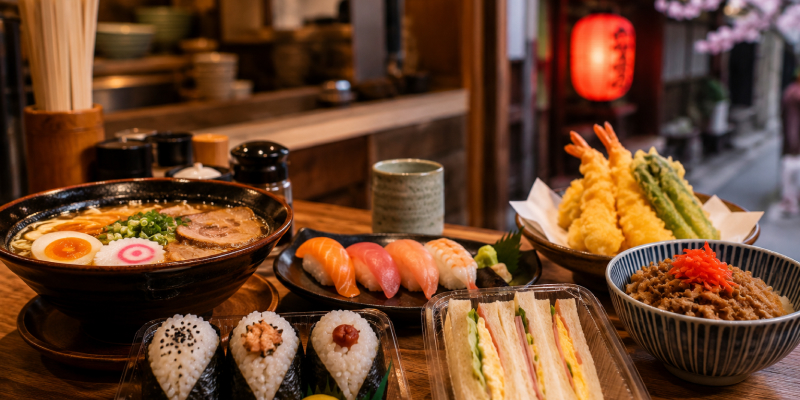
Food in Japan is extraordinary value for the quality you get, and it's one of the costs of traveling to Japan that most travellers underestimate in the positive direction.
A ¥800 bowl of ramen is better than a $20 pasta in Rome. Japanese convenience stores sell restaurant-quality food such as onigiri ¥130, sandwiches ¥250, and full meals ¥500–¥700.
Here's an estimated food cost breakdown:
| Meal Type | Approximate Cost |
| Convenience store meal | ¥500–¥700 ($3–$5) |
| Ramen or set lunch | ¥800–¥1,200 ($5–$8) |
| Casual izakaya dinner | ¥2,000–¥5,000 ($13–$33) |
| High-end sushi restaurant | ¥10,000+ ($65+) |
The easiest way to manage the cost of traveling to Japan is to avoid expensive high-end restaurants and eat at convenience stores like 7-Eleven and FamilyMart.
The food culture in Japan is one of the best things about visiting. If you want to understand what's worth eating and where, the best Japanese food guide covers the regional dishes worth seeking out.
How Much Does Transport Cost in Japan?
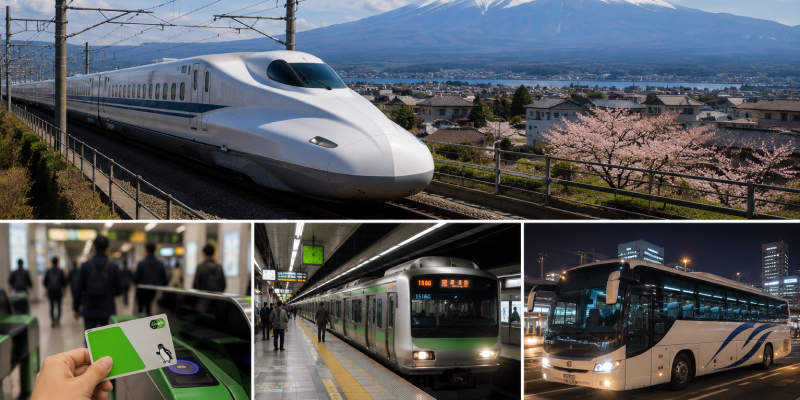
Transport is where the Japan trip cost can catch people off guard, particularly the Shinkansen. Getting between cities is efficient and enjoyable, but it's not cheap.
The JR Pass:
The JR Pass was repriced in 2023 and is no longer the automatic choice it once was. A 7-day pass costs ¥50,000 ($330). It only pays off if you are taking multiple long-distance Shinkansen rides and regional passes like the JR Kansai Pass often offer better value.
City transport:
Get a Suica or Pasmo IC card for transport and convenience store payments, as they work faster and are slightly cheaper than buying individual tickets at the gate every time. Budget around ¥ 1,500- ¥ 3,000 ($10–$20) per day for city subway and train travel.
Highway buses:
Highway buses cost ¥2,000-¥5,000 for intercity routes. Overnight buses from Tokyo to Osaka start around ¥3,500 and save you a night of accommodation.
How Much Do Activities Cost in Japan?
If you’re wondering “how much to travel to Japan?”, we have some good news. The country is unusually generous with free and low-cost experiences, and many top sights like Meiji Shrine, Fushimi Inari, Senso-ji, and Osaka Castle Park are free. Temples typically charge ¥300-¥600.
Day trips and experiences include tea ceremonies (¥1,500–¥3,000), cooking classes (¥4,000–¥8,000), and kimono rental (¥3,000–¥5,000).
Theme parks are the exception, though. Universal Studios Japan tickets cost ¥8,600 plus Express Pass ¥7,800–¥15,000. Budget separately for these rather than folding them into your daily activity estimate.
Worth knowing: Japan has introduced new fees for international tourists in 2026, including a tripled exit tax of ¥3,000 (approximately $20) per person, which will automatically be included in your outbound flight ticket.
The Hidden Cost Most Japan Trip Budgets Forget: Mobile Data
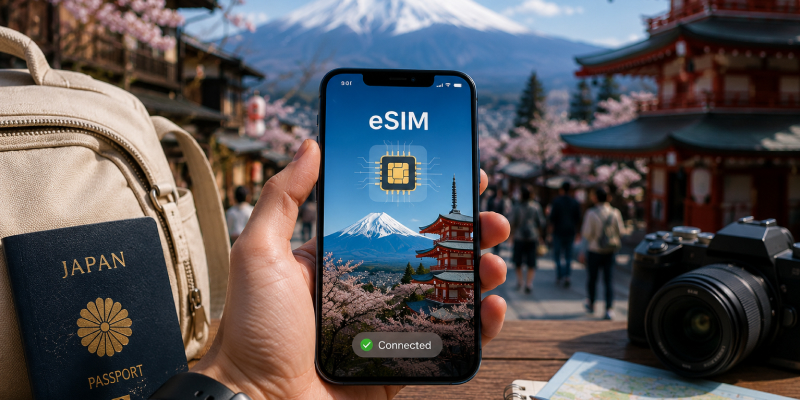
When considering how much will a trip to Japan cost, don’t forget mobile data. The country has limited free public Wi-Fi and you can't rely on cafés and hotels alone. You will need mobile data to access Japan's complex train systems, translation apps and train apps to see stops. One week of US roaming can easily cost $70–$ 105+, and checking Google Maps, posting photos, and using translation apps can easily hit $100+ in surprise charges.
The smarter option is an eSIM Japan from top providers like eSIM Cards. It's one of the easiest money-saving moves you can make on a Japan trip. eSIM Cards offers instant-activation plans on major local networks, starting significantly below what roaming charges would cost for the same period. Considering how much you'll rely on navigation and translation apps throughout the trip, getting an eSIM is a genuine cost-saving trick.
Complete Japan Trip Cost Summary: How Much Will a Trip to Japan Cost?
Here's a realistic total for a 10-day solo trip across three tiers, including international flights from the UK/Europe:
| Trip Style | Estimated Total Cost (USD) |
| Budget | $2,500–$3,500 |
| Mid-range | $4,000–$6,000 |
| Luxury | $7,000–$12,000+ |
For a solo traveler flying from the US, a realistic one-week Japan trip budget is $1,750-$3,000 all-in, depending on travel style. For UK and European travellers, flights tend to be cheaper than from the US, which can bring the total down by $200-$400.
Five Ways to Reduce the Cost of Travelling to Japan
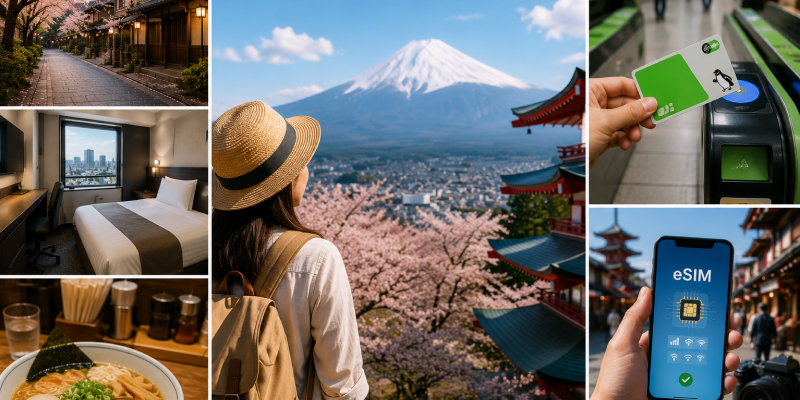
- Travel in shoulder season: May-June and September-October offer good weather, manageable crowds, and noticeably lower accommodation prices than peak periods.
- Stay in business hotels: Japanese business hotels are clean, well-located, and typically run $60-$90 per night.
- Eat where locals eat: Standing ramen shops, depachika and lunch sets at sit-down restaurants offer exceptional quality at budget prices.
- Use an IC card for city transport: Loading a Suica or Pasmo card is faster and slightly cheaper than buying individual tickets at the gate.
- Get a travel eSIM instead of roaming: Roaming on your home plan in Japan is one of the most avoidable costs on the list. eSIM Cards offers Japan plans that activate instantly and cost a fraction of what most carriers charge for international roaming.
Japan in 2026 Is More Affordable Than Its Reputation Suggests
Most people overestimate how much does a trip to Japan cost before they go, and underestimate it once they're back, counting receipts from ryokan dinners and bullet train tickets. The budget breakdowns above give you everything you need to plan realistically and the hidden expenses that catch first-timers off guard. Use them, book early, travel in shoulder season if dates allow, and sort your data with eSIM Cards before you fly.
FAQs
Q1. Is Japan expensive to visit in 2026?
Ans. Less than its reputation suggests. The weak yen has made Japan roughly $1,000–$2,000 cheaper than Western Europe for equivalent quality. A budget traveller can manage comfortably on $55–$90 per day on the ground.
Q2. How much does it cost to go to Japan for 10 days?
Ans. A 10-day trip to Japan in 2026 will cost roughly $2,500–$3,500 for budget travelers, $4,000–$6,000 for mid-range comfort, and $7,000+ for luxury experiences. The biggest expenses are flights ($800–$1,500), accommodation ($30–$200 per night), and food ($20–$80 daily).
Q3. Do I need a SIM card or eSIM for Japan, and how much does it cost?
Ans. Japan has limited free public Wi-Fi, so having your own mobile data is essential. Tourist SIM cards at the airport cost around ¥3,000-¥5,000 ($20-$33) but mean queuing on arrival. A travel eSIM is the smarter move. eSIM Cards offers instant-activation Japan plans on major local networks, with no roaming fees.
Q4. What is the cheapest time to visit Japan?
Ans. When wondering “how much does it cost to go to Japan?”, the timing of your trip has a big impact on the number. The best value months are January, June, September, and early December. Avoid cherry blossom season and Golden Week if budget is a priority.